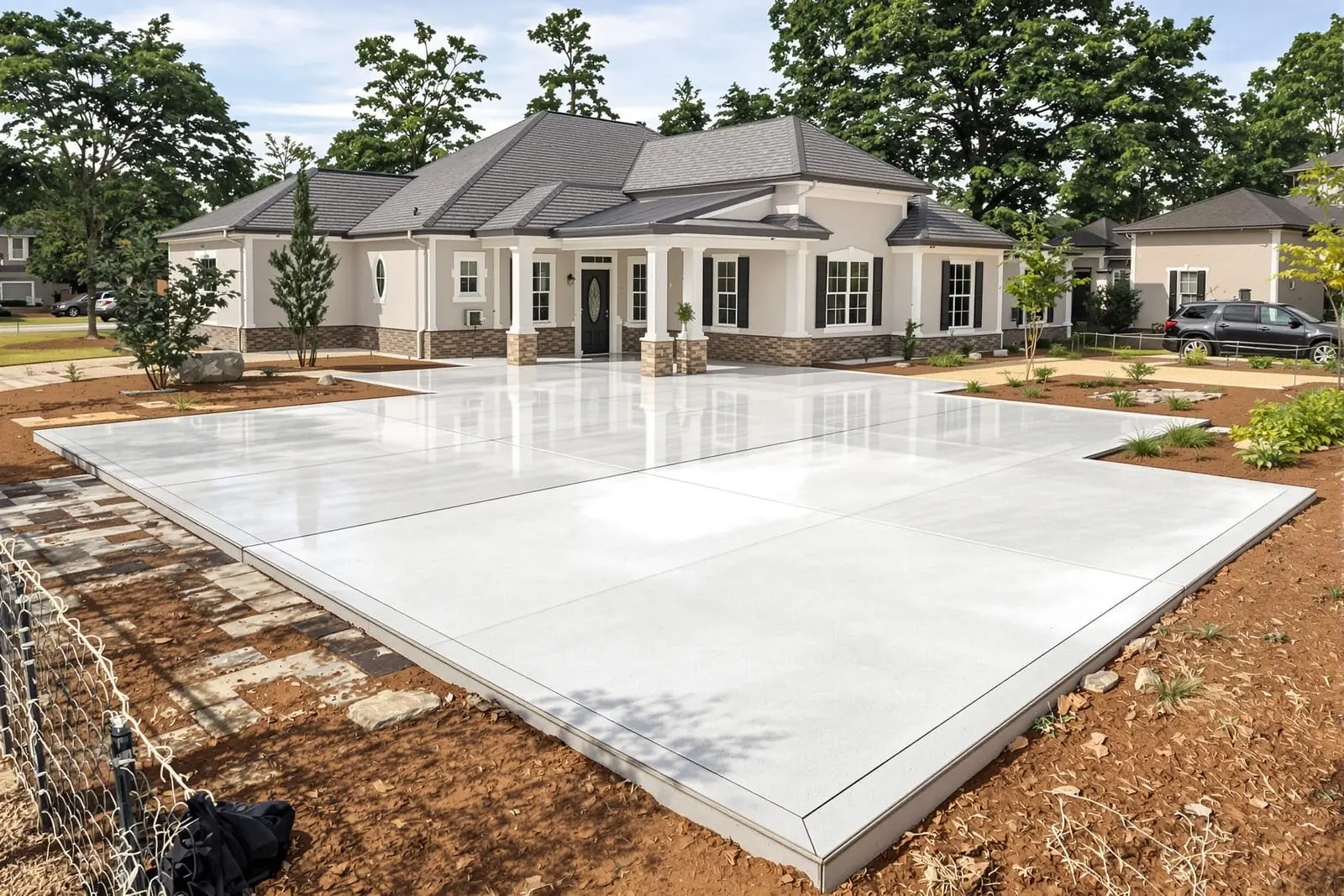
Primetime Concrete Pasadena performs structural concrete work for commercial projects in Pasadena, TX. Our team installs grade beams, piers, retaining structures, and on site concrete features that support buildings and utilities. We follow engineered plans, rebar schedules, and inspection requirements closely. Partner with a contractor who understands complex structural concrete demands.
Primetime Concrete Pasadena provides professional structural concrete throughout Pasadena, TX and the surrounding area. Our licensed, insured crew delivers safe, clean, on-time work with a free estimate before anything begins. Call (346) 584-6090 or request your free quote.
Sitework and Structural Concrete for Pasadena TX Properties
Primetime Concrete Pasadena provides full sitework and structural concrete services for residential, commercial, and industrial projects throughout Pasadena and the Ship Channel area. From clearing and grading a small residential lot off Preston to structural slabs under refinery equipment, we design and build concrete that holds up to Gulf Coast moisture, clay soils, and heavy use.
In Pasadena, structural concrete usually means more than a driveway or patio. It can include thickened edge foundations, grade beams, piers, machine pads, retaining walls, elevated slabs, and structural footings for steel or masonry buildings. Our team evaluates the soils on your site, the loads your structure must carry, and the drainage patterns on and around your property to design a system that actually works here, not just on paper.
Our focus is long term performance. We look at how your building will respond to local conditions like high groundwater after storms, clay soil movement during drought, and settlement around older utilities and fill dirt that is common in Pasadena’s established neighborhoods and industrial zones.
How We Approach Sitework in Pasadena’s Clay and Fill Soils
Good structural concrete starts with proper sitework. Before we ever set forms, Primetime Concrete Pasadena evaluates what is under your future slab or foundation. In many Pasadena neighborhoods east of Beltway 8 and closer to refinery corridors, we see layers of old fill, construction debris, or soft pockets that will not support consistent loads.
Our typical sitework process includes:
• Site evaluation and layout: We confirm property lines, mark building corners, check finished floor elevations against street and drainage channels, and identify any existing utilities or underground obstacles.
• Clearing and stripping: We remove vegetation, old concrete, topsoil, and organic material that can decompose and create voids. On older Pasadena homes, we often find thin original driveways or unreinforced patios that must be fully removed.
• Rough grading: Using skid steers and laser levels, we set the basic elevation and slope so water moves away from the structure. In this area, we typically aim for at least a 2 percent slope away from buildings for the first several feet.
• Subgrade improvement: Where native soils are soft or highly plastic clays, we may proof roll with equipment to identify weak areas, then undercut and replace with compacted select fill or stabilized material. This is especially important for commercial sites near Spencer Highway and Fairmont Parkway that carry heavy truck loads.
• Compaction and testing: We compact in lifts and, when the project size calls for it, coordinate density testing to confirm the subgrade meets the required bearing capacity. Proper compaction is the best defense against future settlement cracks in your structural concrete.
Structural Concrete Options and Design Choices
Structural concrete is not one size fits all. Primetime Concrete Pasadena works with engineers and owners to select the right system for the structure and site. The choices you make here affect cost, performance, and construction time.
Common structural systems we install include:
• Monolithic slabs with thickened edges: Often used for residential shops, garages, and small commercial buildings. The slab and footing are poured together, with thickened sections around the perimeter and under load bearing walls.
• Slab on grade with separate footings and grade beams: Typical for larger commercial buildings and churches in Pasadena. Grade beams and isolated footings carry column loads, while the slab mainly resists floor loads.
• Pier and beam concrete foundations: Useful where soils are variable or where we want to span over soft areas. Concrete piers transfer load to deeper, more stable layers, and the grade beams tie the system together.
• Structural elevated slabs: For mezzanines, second floors, or parking decks, we install reinforced structural slabs over metal decking or formwork, with careful attention to rebar placement and shoring.
Design choices include slab thickness, rebar size and spacing, concrete strength (psi rating), joint layout, and vapor barriers. For example, a light commercial slab might be 5 inches thick with #4 rebar at 18 inches on center each way and 3,000 psi concrete, while an industrial equipment pad may be 10 inches thick with double mat reinforcement and 4,000 psi concrete. We tailor each design to your actual loads, not just a generic standard detail.
Concrete Placement: Reinforcement, Mixes, and Pour Day Details
Even the best design can fail if it is not installed correctly. Primetime Concrete Pasadena follows a strict sequence on pour day so your structural concrete performs the way the engineer intended.
• Formwork and layout: We build sturdy forms, set anchor bolts, and verify elevations with laser equipment. For walls and grade beams, we ensure forms can withstand hydrostatic pressure from the fresh concrete.
• Reinforcement installation: We place rebar per the structural drawings, using proper chairs and spacers to keep steel at the correct cover. In our climate, concrete cover is especially important to protect against corrosion from humidity and exposure to chlorides near the Ship Channel.
• Mix selection: We order mixes based on structural requirements and local weather. For hot Pasadena summers, we often use retarding admixtures or schedule earlier pours to control set time. For slabs that must resist chemical exposure in industrial facilities, we may specify higher strength or special admixtures.
• Placement and consolidation: We use trained crews, vibrators, and proper placement techniques to avoid segregation and honeycombing, particularly in beams and walls where congestion around rebar is common.
• Finishing and jointing: For slabs, we strike off, bull float, and finish based on the use of the slab (broom finish, trowel, or specialty textures). We saw cut control joints at the right spacing and timing to direct unavoidable shrinkage cracking. For forklift traffic, we pay close attention to joint layout to minimize edge spalling.
• Curing: Proper curing is critical in our hot, windy conditions. We often apply curing compounds and, on critical work, may use wet curing methods to maintain moisture so the concrete can reach its design strength and reduce surface cracking.
Common Structural Concrete Issues in Pasadena and How We Prevent Them
Local soil and climate patterns create predictable challenges for structural concrete in Pasadena, and Primetime Concrete Pasadena addresses these issues from the start instead of waiting for them to show up as cracks or slab movement.
• Soil movement and differential settlement: Expansive clay soils shrink and swell between summer droughts and heavy rains. We mitigate this by improving subgrade, using piers or deeper footings where needed, and designing joint layouts and reinforcement to control cracking.
• Poor drainage around foundations: Many older properties in Pasadena have flat grading and downspouts that dump water near foundations. When we perform new sitework and structural concrete, we reshape grades, add swales or surface drains when needed, and coordinate with you on gutter and drainage improvements.
• Inadequate thickness or steel in older work: We often remove existing slabs that were 3 inches thick with little or no reinforcement. For replacements, we design for realistic loads such as RV parking, work trucks, or warehouse racking, not just passenger cars.
• Chemical exposure and heavy industrial loads: In refinery support facilities and warehouses near the industrial corridors, concrete can deteriorate quickly if it is not designed for harsh conditions. We specify higher strength mixes, better reinforcement, and more robust joint details so slabs can support heavy point loads and resist surface damage.
By aligning design, sitework, and installation with these local realities, we reduce call backs and give you structural concrete that stays serviceable far longer.
What Drives Cost for Sitework and Structural Concrete Projects
Understanding what affects your price helps you plan realistically and compare bids fairly. Primetime Concrete Pasadena is transparent about how we estimate sitework and structural concrete so you know where your dollars go.
Key cost drivers include:
• Site conditions: Soft soils, hidden debris, or poor access can add excavation, haul off, or fill material costs. Lots that require extensive undercut and replacement of soils will cost more up front but reduce the risk of expensive structural failures later.
• Structural design requirements: Thicker slabs, higher psi concrete, more rebar, or deeper piers all increase material and labor costs, but they are often necessary for heavy equipment, multi story construction, or poor soil conditions.
• Project size and complexity: Small, heavily detailed projects can sometimes cost more per square foot than larger, simple slabs because mobilization and setup are spread over fewer square feet.
• Formwork and access: Elevated slabs, tall walls, complex shapes, or tight alley access behind older Pasadena homes may require additional formwork, pumps, or specialized equipment.
• Schedule and phasing: Working around ongoing operations in a plant, a busy retail center on Fairmont, or an occupied home can add phasing, night work, or off hour pours.
We provide itemized proposals that separate sitework, structural concrete, and any optional upgrades so you can see exactly what is included and avoid surprise change orders.
What Pasadena Property Owners Should Do Before Hiring
Before you choose a contractor for sitework and structural concrete, there are a few steps you can take to protect your project and budget.
• Get a soils evaluation when appropriate: For larger buildings, heavy loads, or areas with known soil issues, a geotechnical report is worth the cost. Primetime Concrete Pasadena uses these reports to design or follow engineered foundations that match your actual site, not assumptions.
• Confirm engineered drawings: Structural concrete should be built from stamped engineering plans, especially for commercial, industrial, or multi family projects. We can connect you with local engineers if you do not already have one.
• Verify scope details in each bid: Make sure each contractor includes site preparation, subgrade improvements, reinforcement details, concrete strength, joints, curing, and clean up. If an item is not in writing, do not assume it is included.
• Ask about local experience: Structural concrete in Pasadena is different from work in drier or rockier regions. Ask for references and photos of similar projects in this area, such as warehouses, shops, or foundations on comparable soils.
• Discuss access and logistics: Let your contractor know about narrow driveways, active business hours, school traffic near the site, or HOA rules that affect timing. Good planning reduces delays and change orders.
When you are ready, Primetime Concrete Pasadena can walk your site, review your plans, and provide a detailed proposal that explains how we will handle both the sitework and the structural concrete elements of your project.
“
Professional sitework & structural concrete, done right the first time, quality materials, honest pricing, and results that last.
Primetime Concrete Pasadena
Sitework & Structural Concrete Across Our Service Area